
Dual Occupancy Homes: A Simple Guide for Australian Property Buyers
Dual occupancy homes are becoming very popular in Australia, especially among smart property investors and families looking for better value. With rising property prices and changing lifestyles, more buyers are exploring dual occupancy homes as a flexible and income-friendly option.
At Property Buyers Australia, we help people understand property strategies in a clear and practical way. This guide explains what dual occupancy are, how they work, their benefits, risks, and whether they are right for you.
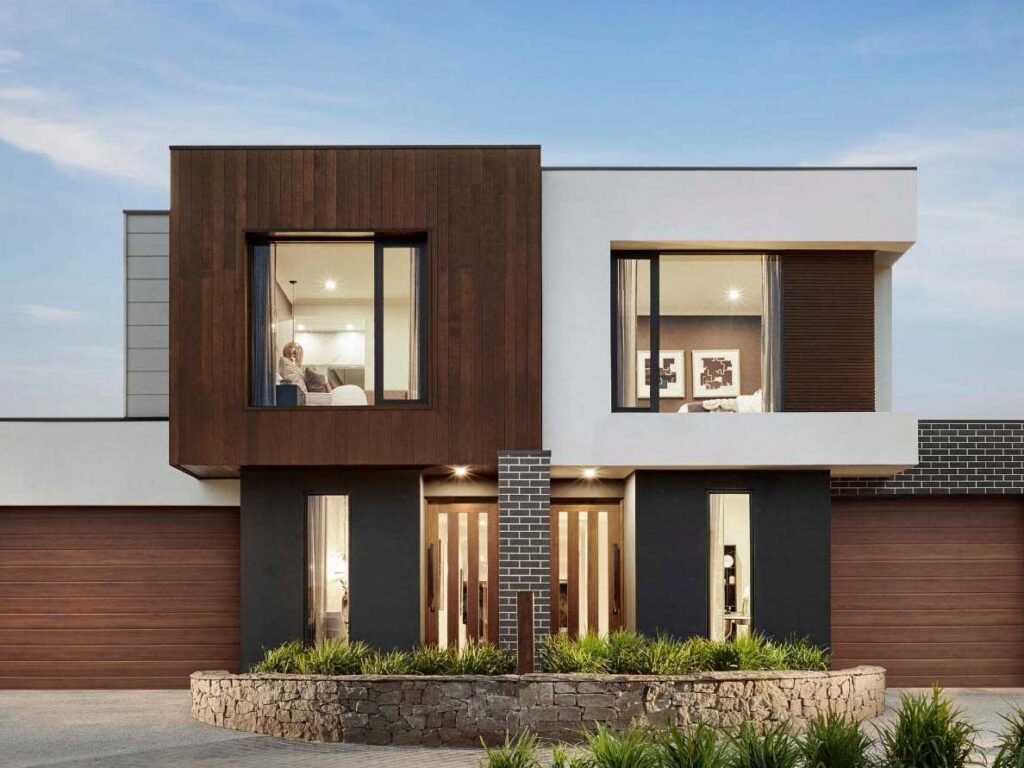
What Are Dual Occupancy Homes?
Dual occupancy homes are properties that contain two separate dwellings on one single block of land. Each dwelling usually has its own kitchen, bathroom, living area, and entrance. These homes can be designed in different ways, depending on council rules and land size.
In simple terms, dual occupancy home allow two households to live on the same property while still enjoying privacy.
Types of Dual Occupancy
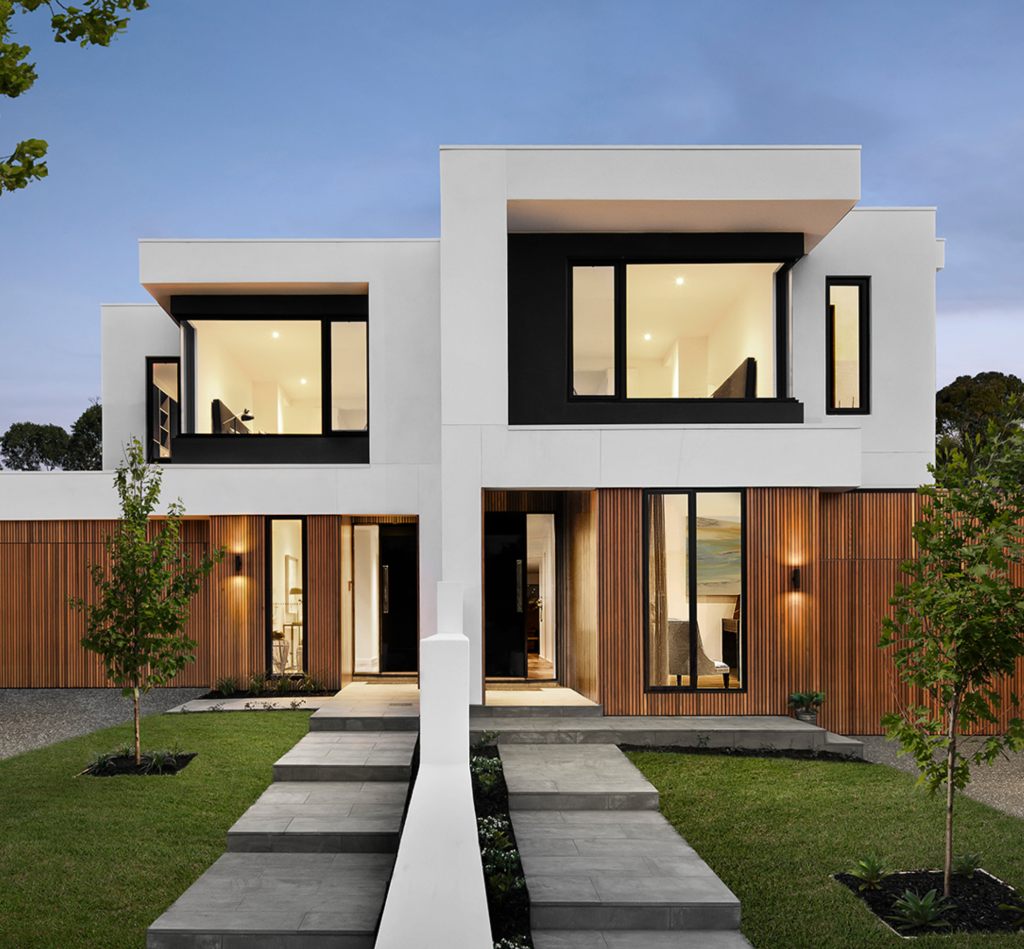
Side-by-Side Dual Occupancy
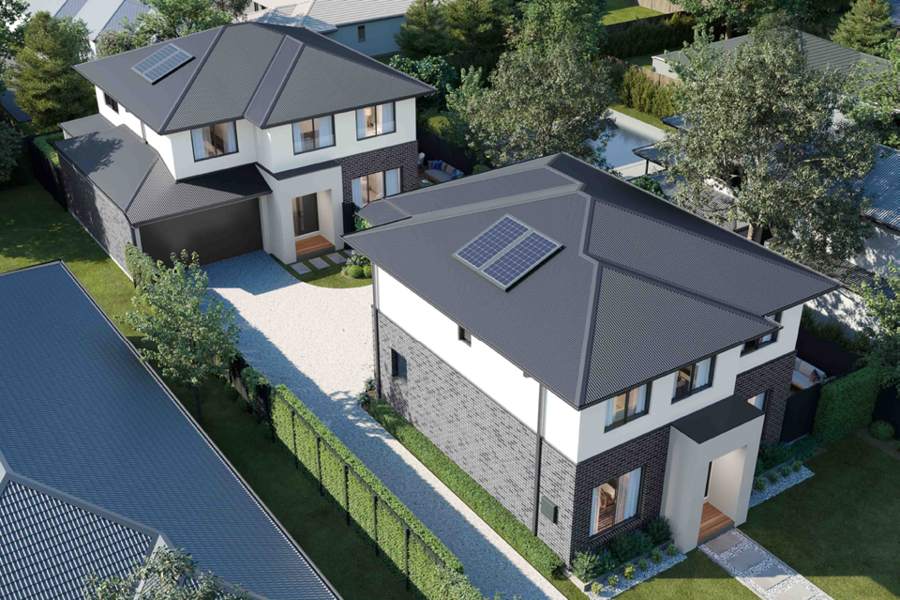
One Behind the Other
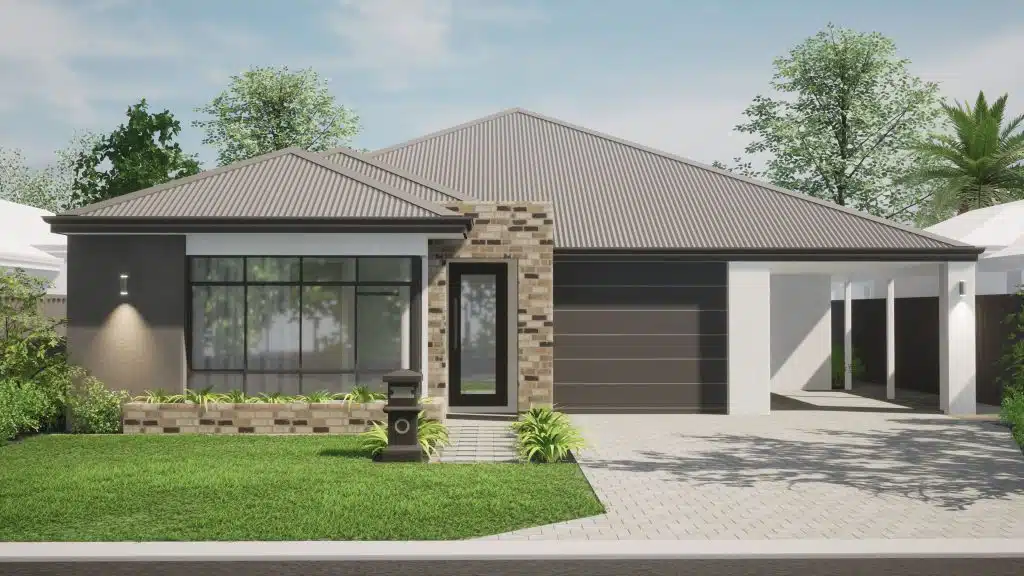
Dual Key Homes
There are several common styles in Australia:
1. Side-by-Side Dual Occupancy
Two homes are built next to each other on the same block. This is common in newer suburbs.
2. One Behind the Other
One dwelling is built at the front and the second at the back of the land.
3. Dual Key Homes
These are under one roof but divided internally into two separate living spaces.
Each type of dual occupancy homes has different costs, rental returns, and council requirements.
Why Dual Occupancy Homes Are Popular in Australia
Dual occupancy offer multiple advantages, which is why investors and home buyers are choosing them more than ever.
Strong Rental Income
One of the biggest benefits of dual occupancy is dual rental income. You can rent both dwellings or live in one and rent the other.
Better Cash Flow
With two incomes from one property, dual homes can help cover mortgage repayments more easily.
Efficient Use of Land
Land prices are high, and dual homes make better use of available space.
Flexibility for Families
They are ideal for extended families, aging parents, or adult children who want independence.
Dual Living: A Smart Way to Use One Property
Dual living simply means two households living on one property, but in separate homes. This is one of the main reasons people choose dual occupancy homes today.
Each home usually has:
Its own entrance
A kitchen and bathroom
Separate living space
Because of this, people can live close together without feeling crowded. Dual living works well for families, investors, and even first-time buyers looking for extra income.
Many Australian families use dual living to support parents or adult children. Others rent out one home while living in the other. Dual occupancy homes give people options that a single home cannot.
Why Dual Living Is Popular with Investors
Investors like dual living because it creates two rental incomes from one block of land. This often means better cash flow and less pressure from loan repayments.
Dual occupancy homes also reduce risk. If one home is vacant, the other may still be rented. This can help cover basic costs and reduce financial stress.
Tenants also like dual living because these homes feel more private than apartments. There are fewer shared walls and usually no lifts or common areas.
Understanding Dual Occupancy Home Designs
Dual occupancy home designs are very important. A good design makes the property easier to live in and easier to rent.
Most modern dual occupancy home designs focus on:
Privacy between both homes
Separate outdoor areas
Good natural light
Easy parking
Some designs have both homes the same size. Others have one larger home and one smaller home. This helps attract different types of tenants or family members.
Well-planned dual occupancy home designs make each home feel independent, not like a split house.
Dual Living for Owner-Occupiers
Dual living is not just for investors. Many homeowners choose dual occupancy homes so they can live in one home and earn rent from the other.
This extra income can help:
Pay the mortgage faster
Manage rising living costs
Provide financial security
Some people use dual living as a future plan. They may live in both homes as a family now and rent one later. This flexibility makes dual occupancy homes very practical.
Why Tenants Like Dual Occupancy Homes
Tenants are increasingly choosing dual occupancy homes because they offer more space and privacy. These homes often have:
Private entrances
Ground-level living
Small, easy-to-maintain yards
Modern dual occupancy home designs also include open living areas and energy-efficient features. These small details can make a big difference to renters.
Because of this, dual occupancy homes often attract long-term tenants.
Long-Term Value and Demand
Dual occupancy homes fit well with Australia’s future housing needs. As land becomes more expensive, dual living makes better use of space.
In areas with strong population growth, dual occupancy homes can remain in demand for many years. Choosing the right location and smart dual occupancy home designs is key.
At Property Buyers Australia, we help buyers understand whether dual living suits their goals, budget, and risk level.
Dual living also aligns well with future housing trends, as councils continue to encourage medium-density housing. Well-planned dual occupancy home designs that suit local demand are more likely to remain attractive to both renters and buyers.
At Property Buyers Australia, we encourage buyers to look beyond marketing claims and focus on how dual occupancy homes actually work in real-world situations.
Are Dual Occupancy Homes Good for Property Investment?
Yes, dual occupancy homes can be a strong investment strategy when done correctly.
Many investors like dual occupancy because:
- Higher rental yield compared to single homes
- Lower vacancy risk (two tenants instead of one)
- Long-term demand in growing suburbs
However, location, council rules, and construction quality matter a lot.
At Property Buyers Australia, we always encourage buyers to understand the numbers before investing.
Things to Consider Before Buying Dual Occupancy Homes
While dual occupancy have many benefits, they are not suitable for everyone.
Council Regulations
Not all councils allow dual occupancy. Zoning, land size, and design rules must be checked carefully.
Higher Build Cost
Compared to a single dwelling, dual occupancy cost more to build.
Finance and Valuation
Some banks may value dual occupancy differently, which can affect borrowing power.
Resale Market
The buyer pool for dual occupancy can be smaller than standard homes in some suburbs.
Dual Occupancy Homes vs Single Dwelling Homes
| Feature | Dual Occupancy Homes | Single Homes |
|---|---|---|
| Rental Income | Higher | Lower |
| Cash Flow | Stronger | Moderate |
| Flexibility | High | Limited |
| Initial Cost | Higher | Lower |
For buyers focused on income and long-term growth, dual occupancy homes often stand out.
Best Locations for Dual Occupancy Homes in Australia
Dual occupancy perform best in areas with:
Strong rental demand
Growing population
Good transport and infrastructure
Council support for medium-density housing
Popular states include Victoria, New South Wales, and Queensland, especially in developing suburbs.
How Property Buyers Australia Helps
Property Buyers Australia is a trusted property investment community where buyers can learn, ask questions, and connect with licensed professionals.
We help you:
Understand risks and real numbers
Compare different property strategies
Learn if dual occupancy suit your goals
Connect with independent experts when ready
Disclaimer: We do not provide financial, tax, or legal advice. All information is general in nature. Please do your own due diligence and seek independent advice before making any decisions.
Frequently Asked Questions (FAQs)
What is the main benefit of dual occupancy homes?
The biggest benefit is higher rental income from a single block of land, which can improve cash flow.
Are dual occupancy is legal in all suburbs?
No. Council regulations vary. Always check zoning rules before buying or building.
Can I live in one dwelling and rent the other?
Yes. Many owners choose to live in one home and rent the second for extra income.
Do dual occupancy cost more to build?
Yes, they usually cost more than single homes, but the higher rental return can offset this over time.
Are dual homes good for first-time investors?
They can be, but first-time investors should understand finances, council rules, and risks before investing.
Is financing harder for dual occupancy?
Some lenders may have stricter rules, but many Australian banks do finance.
Do dual occupancy have good resale value?
Resale value depends on location, design, and demand. In high-growth areas, they can perform well.
Are dual occupancy is better than apartments?
They often offer better land value and rental yield compared to apartments, especially in outer suburbs.
Final Thoughts
Dual occupancy homes can be a powerful property strategy when planned properly. They offer flexibility, strong income potential, and efficient land use. However, success depends on location, council approval, and understanding the numbers.
At Property Buyers Australia, our goal is to help buyers make informed decisions with clarity and confidence.
